My hair was ripped off: Will it grow back? Donovan Hair Clinic
Table Of Content

When your skin is damp and hot, it’s easier to damage your hair follicles and get an infection. This can happen when tight clothing rubs against your skin while you’re bicycling on a hot day. Talk to your healthcare provider if an abnormal amount of your hair is falling out. You may need to see a dermatologist (a doctor specializing in skin, hair, and nails) who can tell you whether you are experiencing hair shedding, hair loss, or both.
How do I know if my follicles are dead?
“Avoid tight hairstyles and hair accessories that pull on the hair and handle your hair with care to minimise breakage and damage. Male and female pattern baldness are the main cause of hair loss. However, lifestyle factors, such as frequent tight hairstyles, and medical conditions, such as alopecia, can also cause hair loss. If hair follicles are damaged and new hair growth is weak, dry and brittle, use a strengthening shampoo to support compromised strands, like Fusion Intense Repair Shampoo. Inspired by spider silk, one of nature’s strongest fibers, it gently cleanses while increasing the hair’s resilience in the face of breakage through the lengths. Follow with Fusion Intense Repair Conditioner to further protect strands from snapping off.
The road to recovery: Is there a trichotillomania cure?
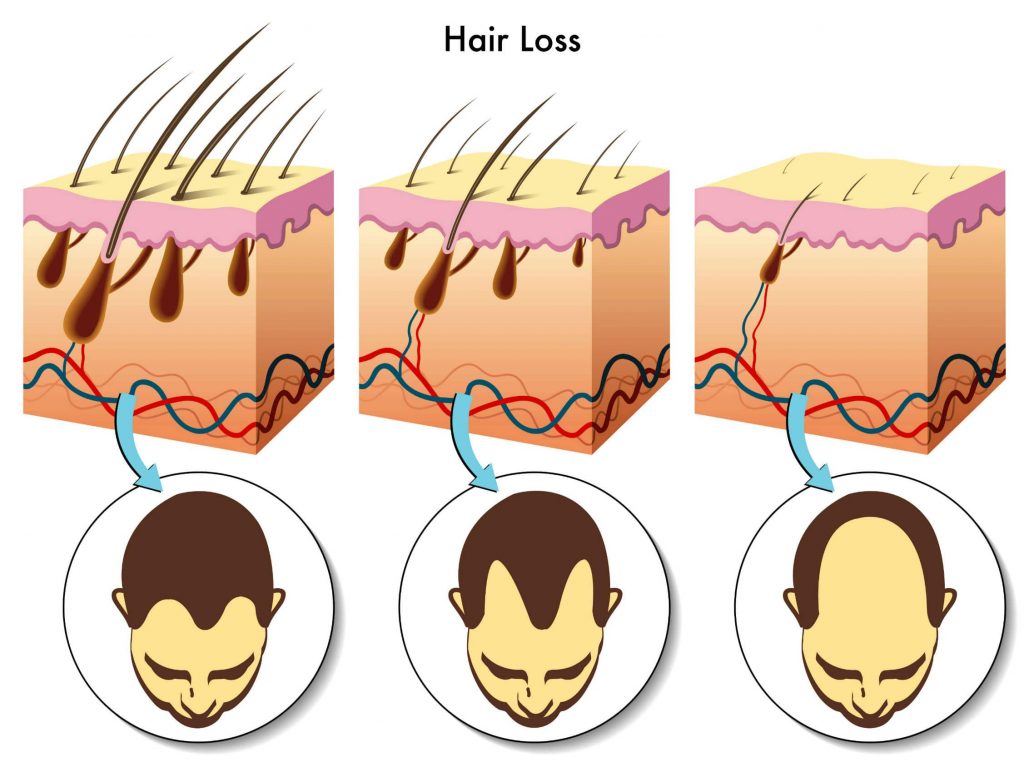
If a person notices they are losing more hair than usual, they may have an underlying condition. It is important to consult a doctor to learn what the possible cause and best treatment may be. Some people may choose to use a scalp concealer, hair topper, or other product to cover hair loss. Other forms of birth control that affect the hormones, such as implants and skin patches, may also cause hair loss. Certain medications have side effects that can cause hair to fall out.
Can folliculitis be prevented?
Often, the thing that causes the condition is one of the biggest factors that sets each type of folliculitis apart. Location can also play a role — where you experience this condition on your body can change depending on what type of folliculitis you have. The skin near your eyebrows is sensitive and can easily get hurt from pulling. If you end up with damage to this area, it will be harder for them to grow back, and they might not be able to grow back all the way. In general, it takes about 3-4 months for eyebrow hair to grow, and it might take longer if your hair or skin has been affected by pulling. To help prevent damage, doctors say to pull your eyebrow hair in the same direction it grows and use angled metal tweezers with sharp, skinny points.
Treatment for this condition depends on the cause but may include a topical solution of minoxidil (Rogaine). You can search by location, condition, and procedure to find the dermatologist that’s right for you. It can smooth out deep wrinkles and lines, but the results aren’t permanent. If you have what feels like razor bumps or acne on the back of your neck or scalp, you may have acne keloidalis nuchae. The answers to these questions often confirm a diagnosis of folliculitis and help your provider determine which type it might be. Scientists are still learning about it, but they think it might be linked to differences in the parts of your brain related to impulse control, learning, emotion, and movement.

Each follicle is also related to a sebaceous gland, which keeps the skin on the scalp and the hair moisturized. So, with so much responsibility, you can see why healthy hair follicles are essential to strong, nourished hair. Hair pulling, also known as trichotillomania, is a disorder that involves the recurrent pulling out of one's own hair, resulting in noticeable hair loss. This can be a distressing condition for those who suffer from it, as it can lead to feelings of shame and low self-esteem.
By changing some parts of your normal self-care routine, you can limit the amount of infectious material in your hair follicles. Think of folliculitis like a blanket term — it’s the family that each of these specific types of skin conditions lives under. Each type of folliculitis can have its own appearance, symptoms and cause.
If your follicles are dead, you may notice decreased hair density, excessive shedding, and no new hair growth in affected areas. A scalp examination by a hair specialist can confirm the condition. They may pull hair from other areas like the eyebrows, eyelashes, or any other area on their body that has hair.
Allure Man: On Nose Hair, And the Removal Thereof - Allure
Allure Man: On Nose Hair, And the Removal Thereof.
Posted: Wed, 11 Jun 2014 07:00:00 GMT [source]
This condition may look like acne, often starting out as small red bumps. Mild cases can be cared for at home, while other cases are treated by a dermatologist. Loose anagen syndrome or loose hair syndrome involves exactly what the name suggests, growing hair that is "loose" and easily pulled out of the hair follicle. Loose anagen syndrome is most often first diagnosed in young children, more so in girls than boys. Their hair never seems to grow, they rarely need a hair cut, and the scalp hair is usually thin, especially at the back of the scalp.
Males with this condition tend to lose hair from the temples and crown of the head. In females with androgenetic alopecia, the hair usually becomes thinner all over the head. The frequent application of oils, gels, or pomades can also cause this condition, which may be reversible if you stop using these hair products or styling techniques. Our dermatologists may recommend taking medication to help hair grow back.
There are many different types of folliculitis — each one unique based on the cause, the infectious organism and its impact on the skin. Folliculitis can happen as a result of daily activities like shaving, getting in a hot tub, and excess sweating from exercise or outdoor work. A common skin condition, folliculitis happens when a hair follicle becomes infected or inflamed.
Pulling out hair from the scalp often leaves patchy bald spots. This can cause a lot of distress and can affect your work, school and social life. Both folliculitis and mild hidradenitis suppurativa may respond to similar medical treatments. It’s important to seek medical help if you get a rash, pimples, or boils that don’t resolve, or that reoccur.
Does Tweezing Make Your Hair Grow Back Thinner? There Are A Few Factors - Romper
Does Tweezing Make Your Hair Grow Back Thinner? There Are A Few Factors.
Posted: Fri, 14 Jul 2017 07:00:00 GMT [source]
When observed under the microscope most of a hair shaft looks entirely normal. However, in isolated spots along the length of a fiber swelling and/or fraying can be seen. These focal defects develop where there is an absence of cuticle. Inappropriate use of a hair dryer can also cause a lot of damage.
The cause of loose anagen syndrome is unknown, though it may be related to a disorder in the hair growth cycle that prevents hair from staying in the follicle. Physical, mental, or emotional stress, along with certain medications, can cause larger-than-normal amounts of hair follicles to push into the resting phase of the hair cycle. When this occurs, as much as 70% of scalp hair can fall out, often in handfuls, around two months after the trigger. You can see above that the hair growth cycle is a complex process, so it’s important that your client doesn’t disrupt it. This means no plucking – even if they spot a stray gray that’s just asking to be tugged out. Pulling out a strand of hair before it’s ready to shed may put stress on the hair follicle, and could even cause damage to surrounding follicles.
In most cases, recognizing the problem and avoiding tight hairstyles will result in a full restoration of the hair. Traction alopecia can happen to anyone who wears their hair pulled back tightly, whether in braids, dreadlocks, or a ponytail. It can also occur when tight headwear is used in the same way every day. Traction alopecia is hair loss caused by the hair being pulled in the same way for a long time. Certain forms of therapy and psychological counseling may be most effective in treating trichotillomania and preventing further hair loss. But if you’ve ever pulled out a hair and found what you think is your follicle at the end, you may be wondering if it’ll ever grow back.
Scientists think some people with ADHD might pull to help themselves focus. People who have trouble paying attention also might not notice if they are pulling out their hair. OCD is a mental health condition that causes overwhelming thoughts that are hard to move on from, called obsessions. These obsessions lead to compulsions, which are actions that you can't stop yourself from doing over and over. People with OCD often feel anxiety or fear about their obsessions.


Comments
Post a Comment